


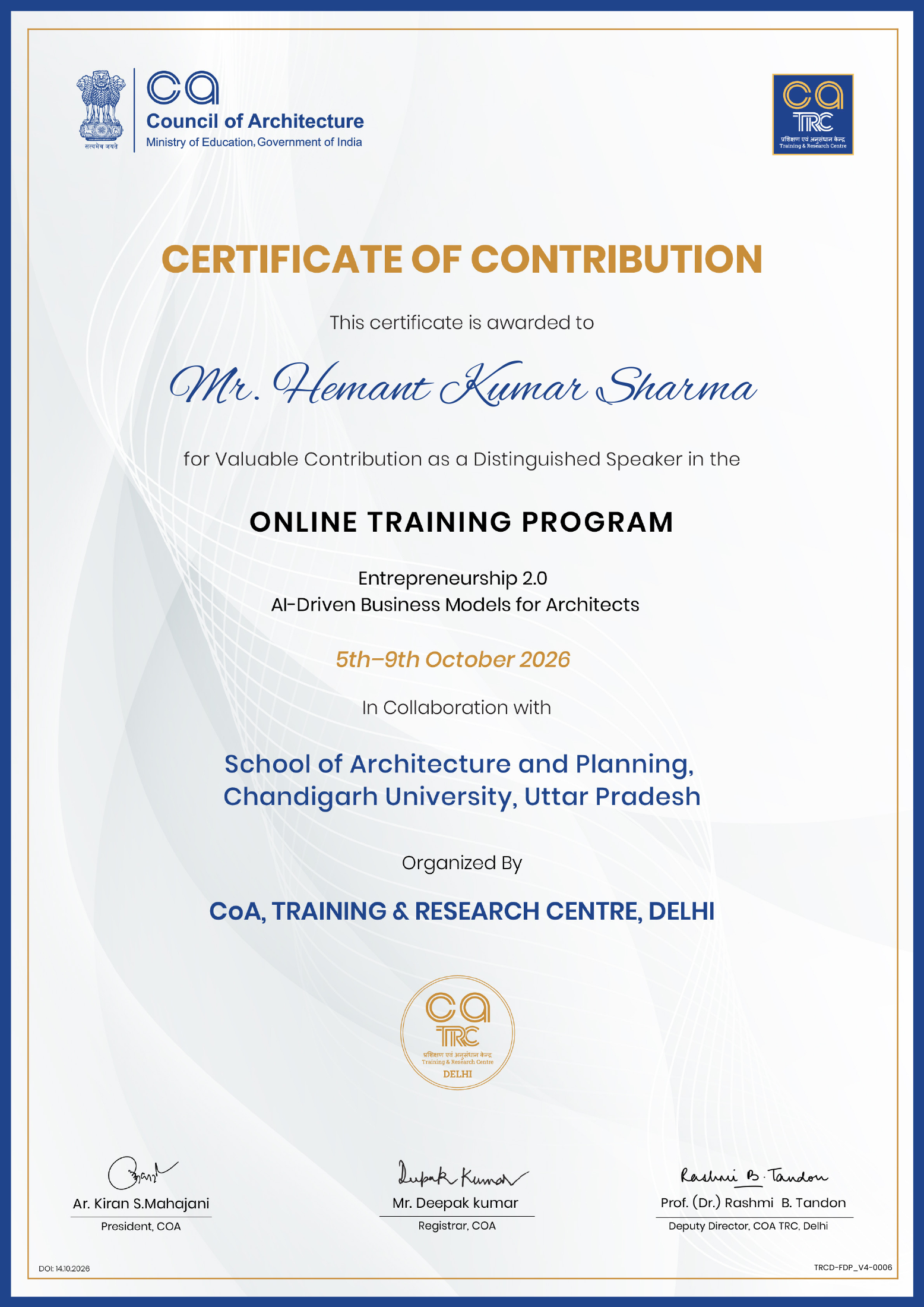
The Speaker Certificate: Formal Recognition of Contribution
The Council of Architecture’s Certificate of Contribution recognises Mr. Hemant Kumar Sharma’s contribution as a distinguished speaker in the online training programme. It names the collaborating School of Architecture and Planning, Chandigarh University, Uttar Pradesh, and the organising COA Training & Research Centre, Delhi.
The certificate covers the programme dates of 5–9 October 2026, carries a date of issue of 14 October 2026 and certificate reference TRCD-FDP_V4-0006. The accompanying email was sent on 28 October. These are separate dates: programme period, certificate issue and email delivery.
Case study | Professional visibility, academic contribution and personal branding | October 2026
An invitation to teach branding becomes especially meaningful when the journey to that invitation illustrates how professional visibility works. This case study documents Hemant Kumar Sharma’s contribution as an expert speaker to “Entrepreneurship 2.0: AI-Driven Business Models for Architects”, a five-day online Faculty Development Programme organised by the Council of Architecture’s Training & Research Centre, New Delhi, in association with the School of Architecture and Planning, Chandigarh University, Uttar Pradesh.
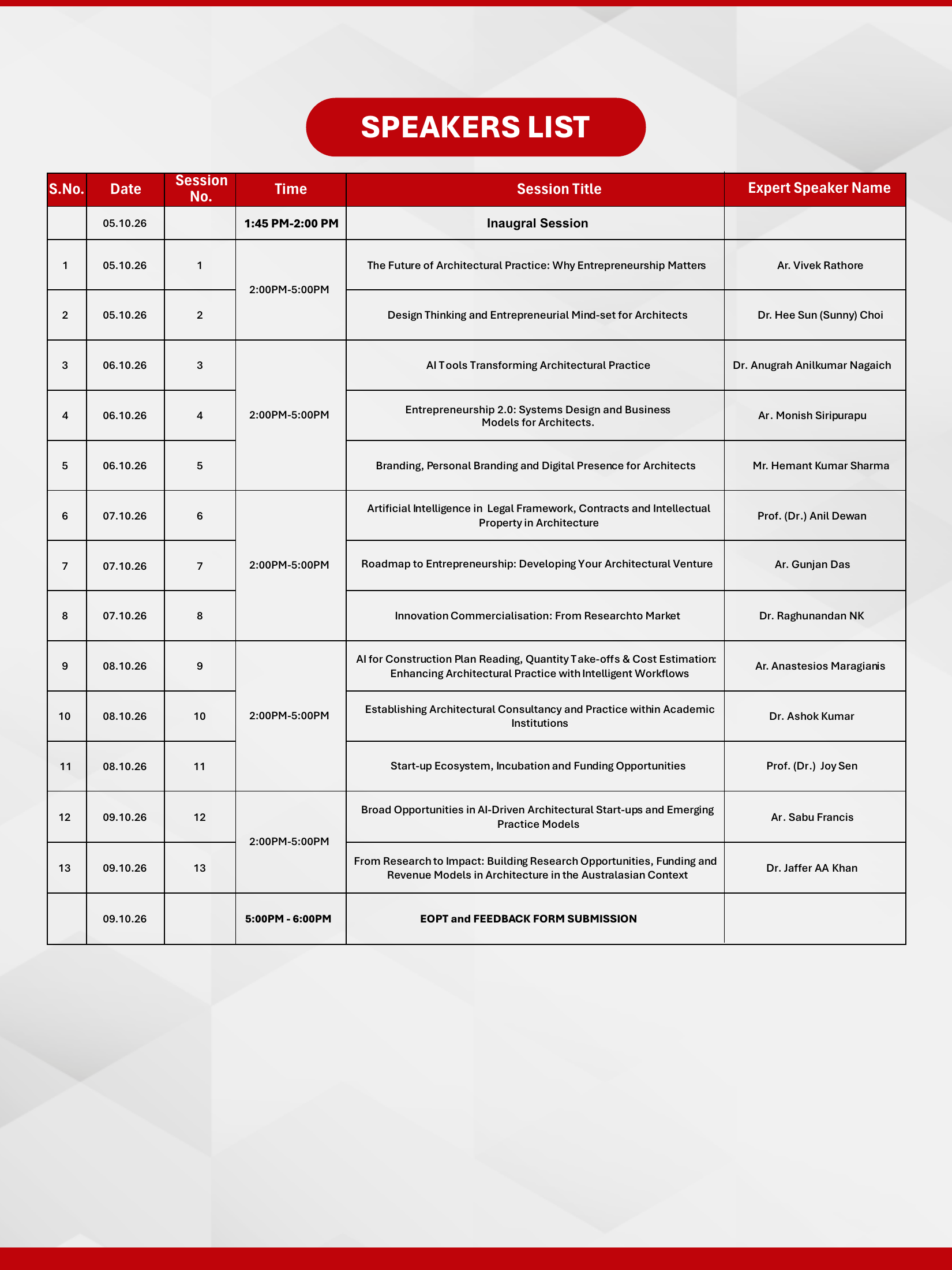
The programme ran from 5 to 9 October 2026. Hemant’s session, “Branding, Personal Branding and Digital Presence for Architects,” took place on 6 October 2026. The final organiser reminder and his written confirmation specified 4:00 PM–5:00 PM, including time for questions and answers.
The story connects professional discovery, an initial WhatsApp conversation, formal email coordination, academic preparation, session delivery and the subsequent speaker certificate. It also shows why a credible digital presence needs accurate professional information and dependable follow-through.
The Context: Entrepreneurship Beyond Architectural Design
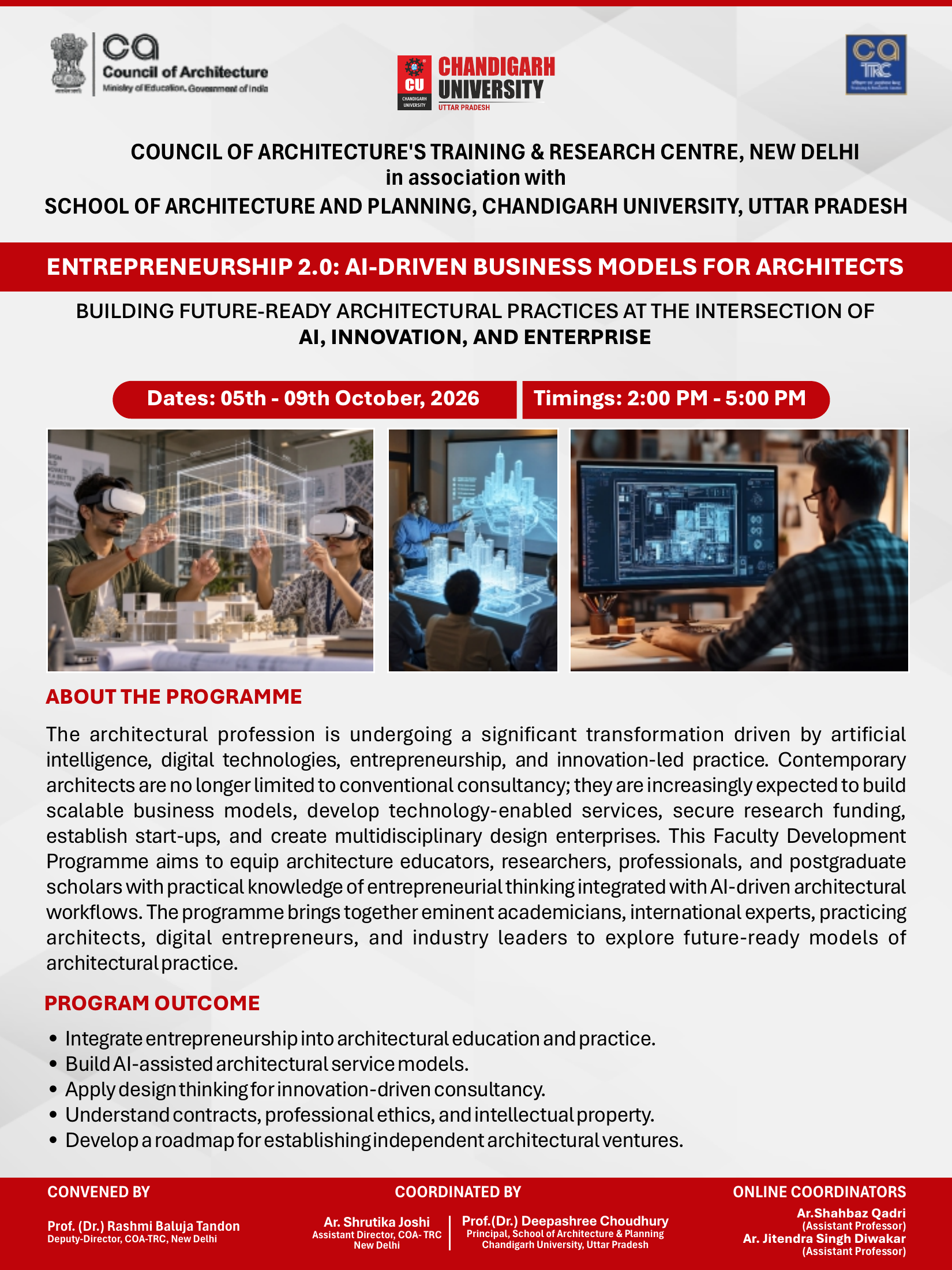
The official brochure positioned the FDP around the changing nature of architectural practice: AI-assisted workflows, innovation, technology-enabled services and entrepreneurial business models. Its intended audience included architecture educators, researchers, practising professionals and postgraduate scholars.
Within that wider programme, branding and digital presence had a specific role. Technical expertise needs to be understandable to the people evaluating it. A professional’s website, portfolio and public profiles can help an institution or prospective client understand their work before any direct conversation begins.
This engagement was an educational contribution. The organiser’s approval email explicitly requested knowledge sharing tailored to architects in academia and practice, without promotional or sales-oriented session content.
How the Opportunity Began: Discovery, Verification and WhatsApp
Attribution matters: the account that the organiser discovered Hemant through Google and then checked his professional background on LinkedIn comes from Prof. (Dr.) Deepashree Choudhury’s telephone conversation with Ms. Aruna, as reported for this case study. It is an organiser-reported account of discovery and professional verification, rather than a claim based on website analytics or a LinkedIn verification badge.
The contact sequence was WhatsApp first, followed by formal email correspondence in Gmail. This WhatsApp-first chronology supports the sequence of the relationship; it does not independently prove the Google search query or the organiser’s LinkedIn browsing. The telephone account and the communication chronology are distinct pieces of the story.
The practical lesson is that discovery and trust can involve several touchpoints. Google can make expertise findable, LinkedIn can give someone further professional context, WhatsApp can make the initial conversation accessible, and email can provide a structured record for an institutional engagement. This case illustrates that journey without assigning unsupported traffic, lead or conversion figures to any platform.
The Formal Invitation and Professional Positioning
The invitation email trail includes an initial proposal dated 5 August 2026, forwarded by Prof. (Dr.) Deepashree Choudhury on 7 August. The proposed programme and resource-person appointment were subject to COA-TRC review and approval at that stage.
Hemant accepted the proposed topic on 7 August 2026 and supplied his CV. He also requested that the prefix “Ar.” be removed from the proposal: his professional role was Digital Marketing Consultant, Trainer & Mentor, and he did not use the designation of architect. This was a small but important act of accurate positioning in a programme for architectural professionals.
On 29 August 2026, the organiser communicated approval of the FDP and Hemant’s inclusion as an expert speaker. The approved brief focused on helping architects build a professional digital presence, communicate their expertise and strengthen their personal and professional brand.
Chronology: From Invitation to Speaker Certificate
- Before formal email coordination: initial contact took place on WhatsApp. The Google discovery and LinkedIn background-check account was conveyed separately in the organiser’s telephone conversation with Ms. Aruna.
- 5–7 August 2026: the invitation entered the email trail; Hemant confirmed willingness, supplied his CV and corrected the professional designation.
- 29 August: the organiser confirmed programme approval and expert-speaker selection, with a request for a photograph, short profile, presentation, learning resources and assessment questions.
- 2–10 September: Hemant acknowledged the approved topic; his profile and photograph were supplied, and the organiser acknowledged the speaker-information form.
- 14 September: Hemant submitted the presentation, participant e-resource and assessment MCQs with an answer key. His email also identified a PDF presentation copy in the shared materials folder.
- 15 September: the organiser acknowledged the submitted documents.
- 27–28 September: the final brochure and promotional material were circulated. A subsequent organiser clarification confirmed that Hemant’s MCQs had already been received well in advance.
- 3–5 October: the final reminder set the session for 6 October, 4:00 PM–5:00 PM, on Webex. Hemant confirmed the slot and planned to join early for audio, video and presentation-sharing checks.
- 6 October: Hemant delivered the session. His same-day thank-you email records that the session had taken place and identifies the audience as practising architects and professionals engaged in architectural education.
- 14 October: the Certificate of Contribution bears this date of issue.
- 28 October: the Council of Architecture emailed the speaker certificate and instructions for accessing it through its learning-management dashboard.
Schedule note: preliminary correspondence contained a tentative 7 October placement and an earlier 5:00 PM–6:00 PM slot. The later reminder, Hemant’s confirmation and his 6 October post-session email establish the final chronology used here.
The Approach: Prepare for the Audience and the Academic Brief
The accepted session title kept the focus on architects. The organiser’s brief called for practical understanding of professional presence and clear communication of expertise. This gave the contribution a defined purpose within a broader programme on AI and entrepreneurship.
The preparation extended beyond a presentation. The 14 September submission included supporting participant material and assessment questions with answers. The email described the e-resource as a participant guide aligned with the session’s concepts and the answer key as material for organiser and assessment use.
This distinction matters: a participant guide supports learning after a live session, while assessment material serves the programme’s academic process. The organiser’s later acknowledgement confirms receipt; it does not establish participant test scores or learning gains.
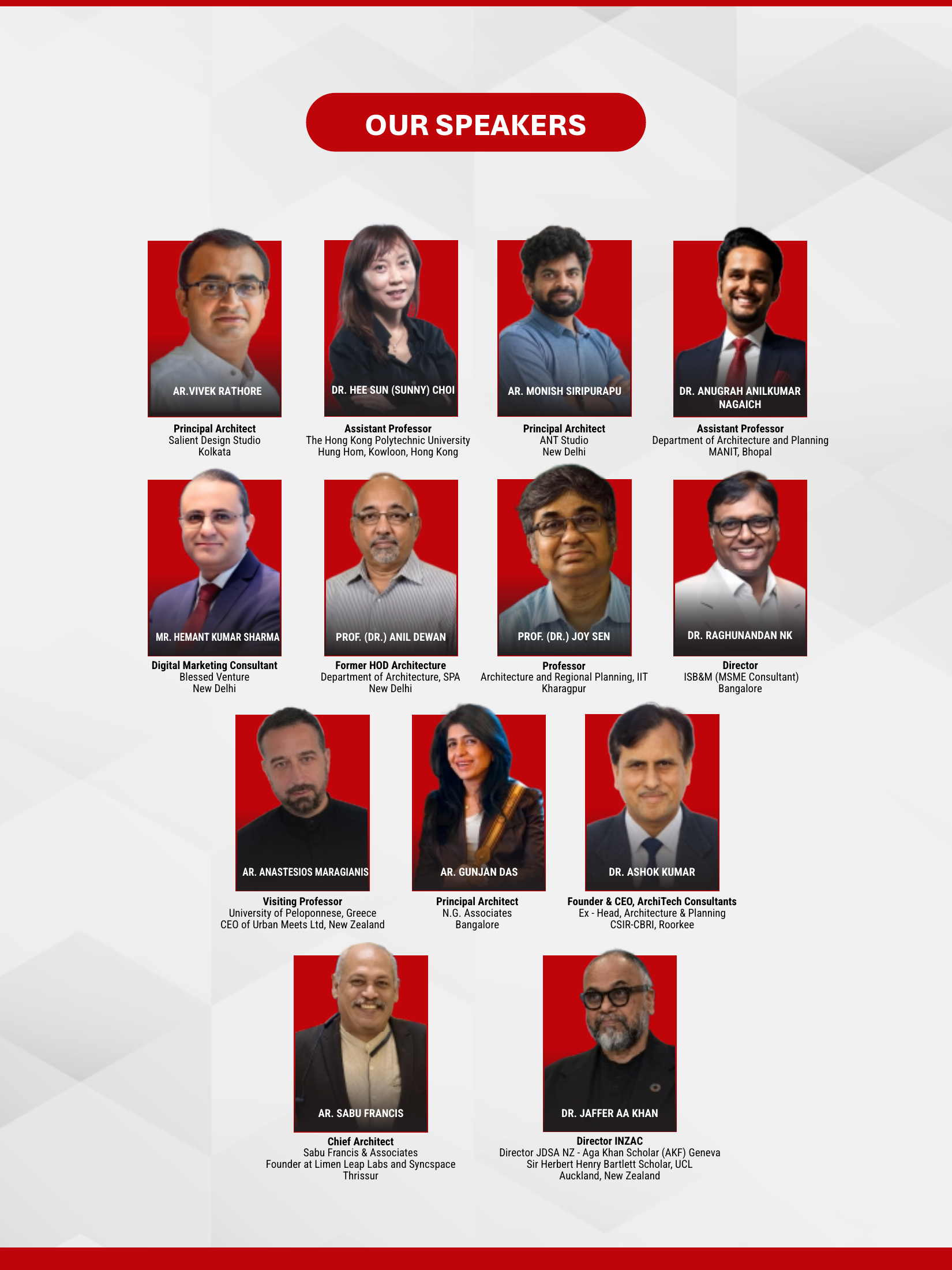
The speaker profile should reflect the person’s actual qualification and role. Hemant’s academic background is B.A. Mathematics from the University of Delhi and an MBA in Marketing. His contribution to this FDP was in digital marketing, branding and professional communication. The official brochure identifies him as a Digital Marketing Consultant with Blessed Venture, New Delhi.
Hemant’s thank-you email on the evening of 6 October records delivery and appreciation for the coordination. It also requested a recording for professional reference. That request is evidence of follow-up; it is not evidence that a recording was subsequently received or made publicly available.
The Official Brochure: All Four Pages
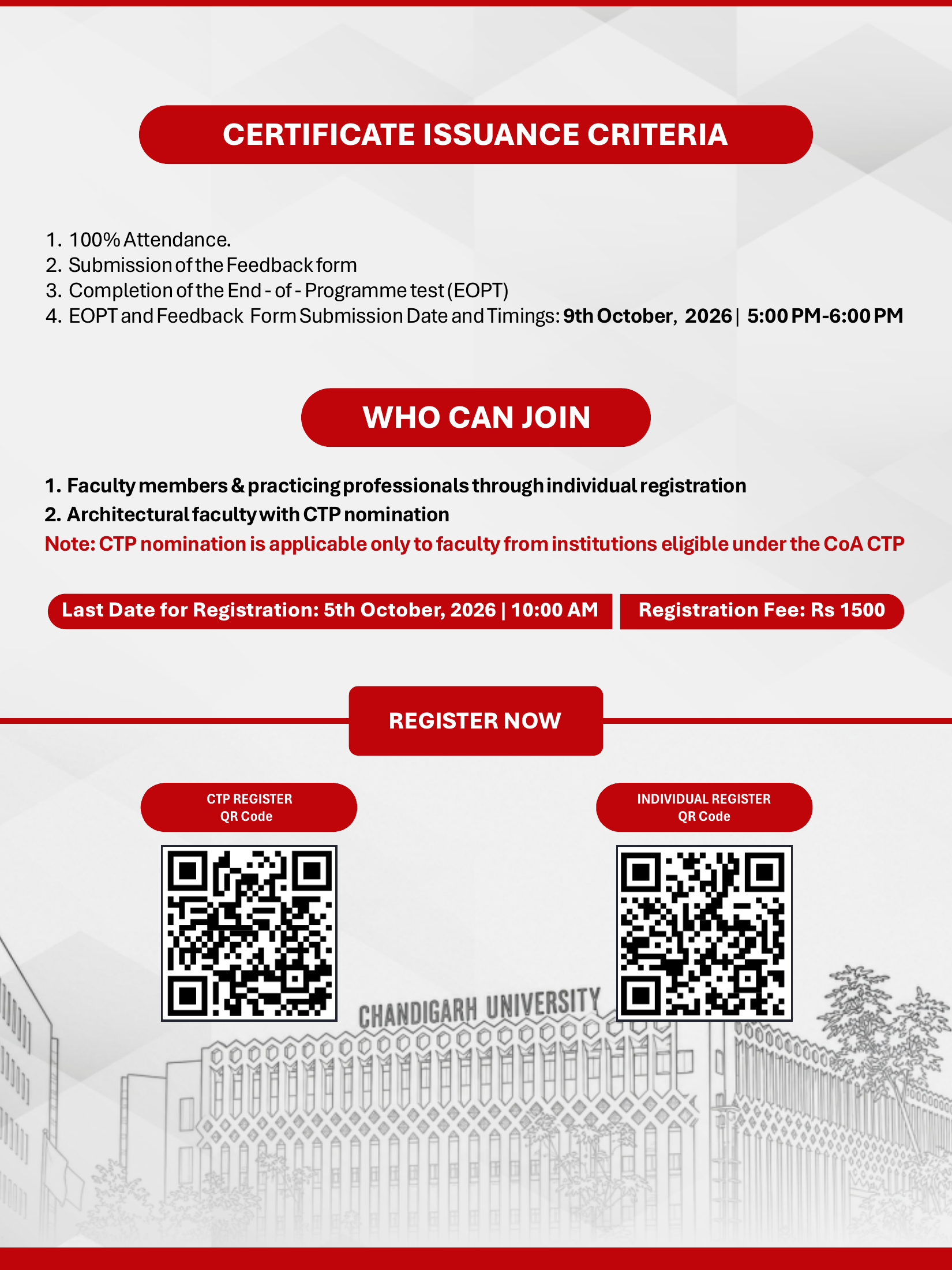
The complete brochure is reproduced below, without cropping its pages. Select any image to open the full-size version and zoom in. The registration details and QR codes are preserved as part of the historical document; this October 2026 programme has concluded.
The Outcome: An Academic Contribution with a Documented Trail
The supported outcome is clear: an invitation progressed through approval, resource preparation and session delivery to formal speaker recognition. The brochure documents the programme and speaker listing; the correspondence documents preparation and coordination; the same-day follow-up records delivery; and the certificate recognises the contribution.
No attendance total, participant testimonial, assessment result, increase in enquiries or commercial return is claimed here. The brochure’s requirement for 100% attendance concerns participant certificate eligibility; it is not a measured attendance result. The speaker certificate is recognition of this contribution, rather than an endorsement of unrelated services.
What Professionals and Institutions Can Learn
Make expertise easy to evaluate. A clear website and consistent professional profiles can help people understand relevance before making contact. The organiser-reported discovery journey in this case gives that principle a concrete context.
Make the next step easy to complete. An initial conversation needs a dependable path into formal coordination. Accurate profiles, timely resources, written confirmations and clear scheduling help an opportunity move forward.
Let evidence carry the story. A brochure, dated correspondence and a certificate support different claims. Keeping those distinctions visible produces a more useful professional case study than adding unsupported numbers or praise.
For a related professional-services example, read the Advocate Yogesh Aggarwal personal-brand case study. Architects and practices can also explore the approach to digital branding and online marketing for architects.
Discuss Your Professional Presence or Training Requirement
If you are evaluating your own professional positioning, website or digital communication, start with a focused discussion of your audience and objectives. Institutions planning a knowledge-sharing programme can discuss a training brief suited to their participants.
Explore consultation options or contact Hemant Kumar Sharma. You can also return to the case studies library to review other documented engagements.
Source and Attribution Notes
This account draws on the official four-page FDP brochure; the organiser’s programme-material email of 27 September 2026; invitation, approval, submission, reminder and follow-up correspondence; the Council of Architecture speaker certificate; and its accompanying email of 28 October 2026. The WhatsApp-first sequence and Prof. (Dr.) Deepashree Choudhury’s telephone conversation with Ms. Aruna are identified separately from the documentary record. Private contact details, meeting-access information and assessment answers are not reproduced.
Need Better Direction for Your Business Growth, Online Presence or Marketing Decisions?
Whether you need expert consultation, mentoring guidance, structured training or professional execution support, the next step should be clear, practical and commercially meaningful.
Choose the next step that fits you best
This strategic session gives you the deep clarity that most businesses lack. Instead of guessing, testing randomly, or wasting money on disconnected marketing, after attending you walk away with a clear, structured roadmap that eliminates confusion and provides a step-by-step action plan to move forward confidently.