
How existing music videos were assessed, improved and selectively promoted using YouTube analytics, organic distribution and controlled YouTube Ads.
Case study type: YouTube Growth & Performance Optimisation
Client: Sushmita Srivastava, independent music artist
Project focus: Early 2026; detailed reporting period January–April 2026
Services: YouTube Strategy | Video SEO | Content Revival | Playlist Architecture | Organic Distribution | YouTube Ads | Analytics
Consultant: Hemant Kumar Sharma / Enovate Digital
The opportunity was already inside the channel
A successful YouTube channel does not necessarily need more videos before it needs better decisions. An established creator may already have a library of music, performances and audience signals that has taken years to build. Some uploads continue to attract viewers; others delivered strong results in the past but have lost momentum. The challenge is to recognise the difference and determine where additional work will be most useful.
This was the central question in the 2026 YouTube optimisation engagement with singer Sushmita Srivastava. Her established official channel featured original music, Hindi film covers, romantic mashups and jukebox-style performances. The work built on an existing catalogue and audience rather than starting a new channel.
Rather than advertise every upload or rely on a generic posting calendar, the work concentrated on the established catalogue. Video-level data informed which performances deserved renewed attention, which needed changes to presentation and viewing pathways, and which were suitable candidates for paid amplification.
The operating principle: analyse first, optimise second, test the response and then decide whether advertising will add value.
The challenge: a large audience does not guarantee continuing discovery
A video with a large lifetime view count may be an excellent historic achievement without necessarily being a strong current promotional investment. The reverse can also be true: a video with a smaller audience may have encouraging click-through rates, watch time or engagement signals that make it worth developing.
The review therefore examined different measures together: impressions, click-through rate (CTR), recent and lifetime views, watch time, average view duration, average percentage viewed, historical subscriber contribution, recent subscriber activity and audience retention. Organic demand and the role of advertising were considered separately.
This approach prevented two easy mistakes: spending budget on videos that had not yet been prepared for broader distribution, and assuming that old content had no further value merely because its most visible growth had occurred earlier.
Early diagnostic reviews showed why reach and clicks needed to be considered alongside retention. Selected mashup and jukebox assets had different viewing patterns, so packaging, opening experience and organic testing were prioritised before additional paid exposure. Detailed channel and video volumes remain confidential.
These are examples of assessment and decision-making, not claims that every recommended change was implemented or that the historic lifetime totals were generated during the engagement.
The strategy: treat each existing video as a distinct asset
The work followed a practical sequence rather than one broad instruction to “grow the channel”.
Videos were reviewed individually. A high-impression video with weaker CTR could require more effective packaging. A video drawing clicks but losing viewers early could require closer attention to the opening and viewer expectation. A title that worked for existing subscribers might not communicate clearly to a new viewer arriving from search or recommendations.
The objective was to match the intervention to the actual limitation. No single optimisation checklist can fully explain why two otherwise comparable music videos behave differently.
The work included title and description improvements, thumbnail/CTR review, relevant keyword positioning, tags and hashtags where appropriate, pinned comments, end-screen recommendations and opening-hook assessment. These elements were considered together, not as a series of isolated metadata changes.
For a music channel, the title should help people identify the song or format; the thumbnail should set the right expectation; and the description, comment and end-screen pathways should give viewers a clear way to continue listening or explore more of the artist's work.
Individual video improvements were supported by a wider playlist plan. The architecture covered approximately nine core playlists and complementary collections, reflecting themes such as original songs, popular songs, romantic covers, mashups/remixes/jukeboxes, wedding music, 1990s–2000s favourites, acoustic and live performances, recent releases, special projects, Shorts and festival-related content.
The intention was to make related videos easier to discover. Someone arriving for one romantic mashup should be able to find more material in that listening category, rather than starting a new search after the first video ends.
Optimised videos were supported by distribution through relevant Facebook profiles, pages and groups, with other community and short-form activity considered where suitable. Tracking links using Fast Links and Bitly formed part of the distribution workflow.
The point was not to scatter the same link indiscriminately. External promotion was used as an additional discovery route around videos already selected for renewed attention.
The paid-media component used YouTube/Google Ads, not Meta Ads. YouTube promotion was a selective layer after analytical assessment and content optimisation; it was not the answer to every performance concern.
The decisions followed a consistent order: Audit → Prioritise → Optimise → Organise → Distribute → Amplify → Review.
Work from the project archive
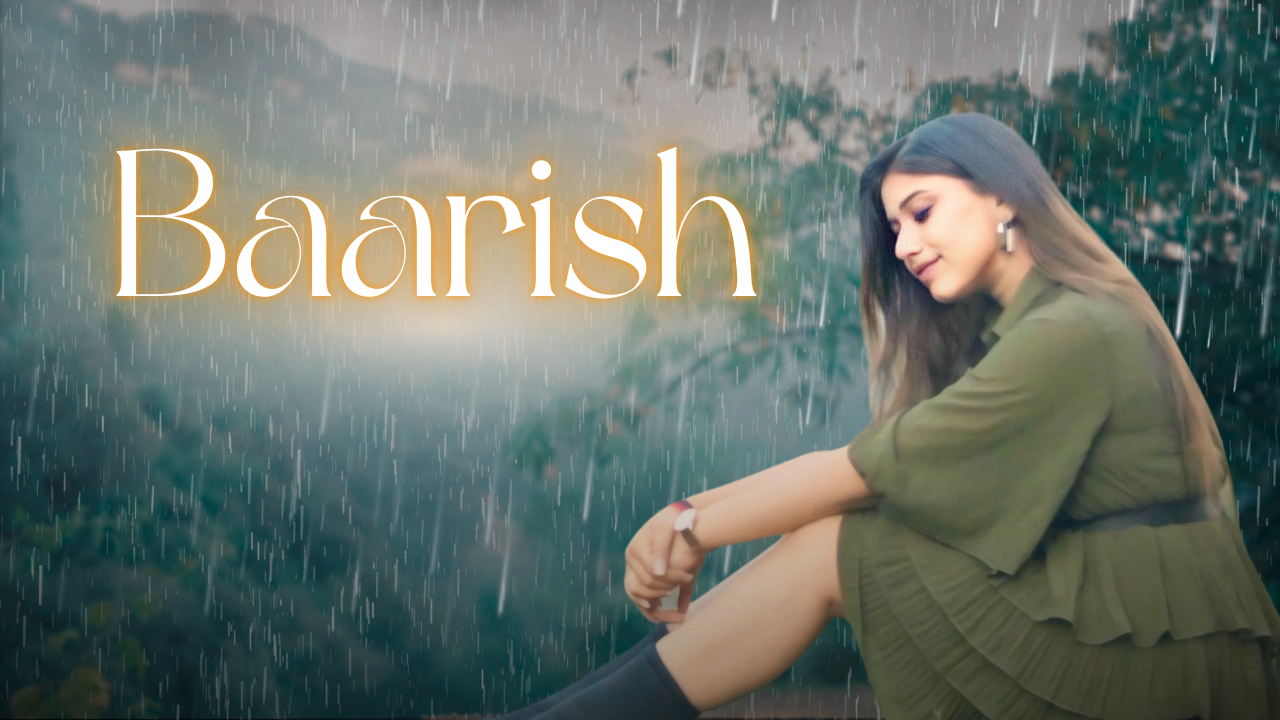
The project records preserve thumbnail development, metadata updates and organic distribution material from the engagement. The Love Mashup update record is dated 26 February 2026; the Mera Mann X Mere Yaara organic activity record covers 27 February–3 March 2026. The images on this page come from those supplied project files.
Performance example 1: Love Mashup
One selected asset was “Love Mashup | Road Trip Songs | Bollywood Romantic Jukebox”, an established performance with historical audience value. During the January–April 2026 reporting period, its average percentage viewed was approximately 32%. This retention indicator helped assess content and viewing pathways without disclosing private audience totals, watch hours or subscriber figures.
Historical audience contribution helped identify promising catalogue assets. It was treated as context for optimisation, rather than growth generated during the engagement.
Associated YouTube Ads reporting was reviewed separately to assess paid amplification. Advertising expenditure, paid-view volumes and subscriber-action totals remain confidential.
This illustrates why the performance story needs two separate lenses. YouTube Analytics describes video and channel behaviour over its selected reporting period. YouTube Ads reports advertising activity and actions under its own attribution model. These figures should not be added together or described as one combined audience-growth result.
Ads-attributed subscriber actions are not equivalent to independently verified, permanently retained subscribers.
Watch the selected video: Love Mashup – official YouTube video.
Performance example 2: Mera Mann X Mere Yaara

The selected “Mera Mann X Mere Yaara” romantic mashup received optimisation attention during February 2026. Its January–April 2026 average percentage viewed was approximately 29%. This provided a content-specific retention signal while detailed volumes and commercial reporting remain confidential.
Associated YouTube Ads activity was assessed independently of the video’s Analytics results. The public account focuses on the method and creative work rather than private advertising totals.
The differences between these video-level figures reinforce the value of individual assessment. Both videos were part of the same broader optimisation effort, but their audiences, watch behaviour and advertising results were not identical. Decisions about content and budget cannot reliably be made from a channel-wide average alone.
Watch the selected video: Mera Mann X Mere Yaara – official YouTube video.
Interpreting performance responsibly
The clearest result of the engagement was a more disciplined way to decide how an established channel's content should be used. The project produced detailed assessment and reporting for videos that already possessed substantial historic value, improved their discoverability framework, organised content into clearer listening pathways and tested selective paid exposure.
The reporting needs three distinctions:
- Lifetime performance is not engagement-period performance. Historical views and subscribers demonstrate the value of an existing asset; they cannot be claimed as newly generated by the 2026 work.
- YouTube Analytics and YouTube Ads are separate systems. Subscriber changes in Analytics must not be added to Ads-attributed subscriber actions. These measures differ and may overlap.
- Subsequent public channel growth is not fully attributable to the engagement. The artist continued creating and publishing work beyond the detailed reporting window. Later cumulative channel numbers therefore provide context, not a claimed agency outcome.
This separation matters particularly when reporting YouTube campaigns. A page that converts every advertising action into a new long-term subscriber can look impressive while giving business owners and creators the wrong understanding of what was achieved.
What changed in the way the channel was managed
Older content became assessable marketing inventory. Existing videos were compared using recent and lifetime signals rather than classified simply as old uploads.
Priorities became evidence-led. CTR, retention, watch time and subscriber behaviour informed choices about packaging, organic promotion and paid testing.
The channel gained a clearer content architecture. Thematic playlist planning and end-screen pathways were designed to help listeners move between related performances.
External distribution became more deliberate. Facebook promotion and tracked links added an identifiable distribution layer rather than treating visibility as the result of uploading alone.
Advertising was used more selectively. YouTube Ads formed part of a review-and-amplify process, not a replacement for understanding content quality or viewer behaviour.
Reporting preserved attribution boundaries. Paid advertising metrics and Analytics measures were presented as different observations rather than combined into inflated totals.
The marketing lesson: new content is not always the only growth opportunity
Many creators are encouraged to publish more frequently whenever growth slows. Frequency matters, but it does not answer every channel problem. For Sushmita Srivastava's established music catalogue, an important opportunity lay in reviewing assets with demonstrated audience appeal and understanding how they could remain useful.
A good YouTube growth decision may be to optimise a title, improve an opening, connect related videos through playlists, support a proven song with relevant external distribution or selectively test paid promotion. Sometimes it may be to delay advertising until the video is better prepared.
That is the professional value of analytics: not collecting more numbers for a monthly report, but making better decisions about what deserves effort and investment.
Role of Hemant Kumar Sharma / Enovate Digital
The engagement combined YouTube channel and video auditing, video SEO, title/thumbnail/description planning, audience-retention assessment, playlist architecture, organic distribution strategy, YouTube/Google Ads promotion, tracked-link use, reporting and paid-versus-organic attribution analysis.
It was a cross-disciplinary assignment: content strategy, analytical judgement, organic visibility and measured advertising were treated as connected activities.
Conclusion: revitalisation begins with knowing what already works
The Sushmita Srivastava case study demonstrates how an established YouTube channel can be approached as a portfolio of audience assets. The work did not begin by assuming the solution was more uploads or higher advertising spend. It began by examining what the channel already had, identifying opportunities for improvement and deciding where amplification made sense.
The documented reporting includes meaningful watch time, video-level engagement and paid-promotion activity. The deeper lesson is the discipline behind those figures: analyse the existing content, improve its presentation and viewing pathways, then use advertising where the evidence supports it.
Have an established YouTube channel that is no longer growing as expected?
Before spending more on videos or promotions, consider a structured review of your existing content, audience retention, discoverability and distribution. An experienced outside assessment can clarify what to improve, which videos deserve another opportunity and where paid promotion may be worthwhile.
Explore digital marketing consultation options with Hemant Kumar Sharma, or visit the Case Studies Library to review more assignments.
Reporting context: The retained percentage indicators relate to January–April 2026. YouTube Ads reporting is assessed separately; detailed performance totals and expenditure are not disclosed. Historic lifetime figures, advertising actions and post-engagement activity are not treated as interchangeable or additional 2026 channel growth.
Need Better Direction for Your Business Growth, Online Presence or Marketing Decisions?
Whether you need expert consultation, mentoring guidance, structured training or professional execution support, the next step should be clear, practical and commercially meaningful.
Choose the next step that fits you best
This strategic session gives you the deep clarity that most businesses lack. Instead of guessing, testing randomly, or wasting money on disconnected marketing, after attending you walk away with a clear, structured roadmap that eliminates confusion and provides a step-by-step action plan to move forward confidently.